Art therapy
Working with materials to express and explore what is hard to say.
Art · dance/movement
Art and dance/movement therapy offer ways to explore feelings through making and moving, alongside conversation. No artistic or dance experience is needed.

Overview
Experiential therapies use creative and physical expression as part of therapy. In art therapy, you might draw, paint, or work with collage. In dance/movement therapy, you might explore gesture, rhythm, or stillness. Reflection and talking are always included.
These approaches can help when feelings are hard to put into words, or when talking alone has started to feel repetitive.
What we help with
Experiential therapy is used with trauma, grief, anxiety, body image concerns, and life transitions. It can also support people who want to feel more connected to their body, their creativity, or parts of themselves that feel hard to reach.
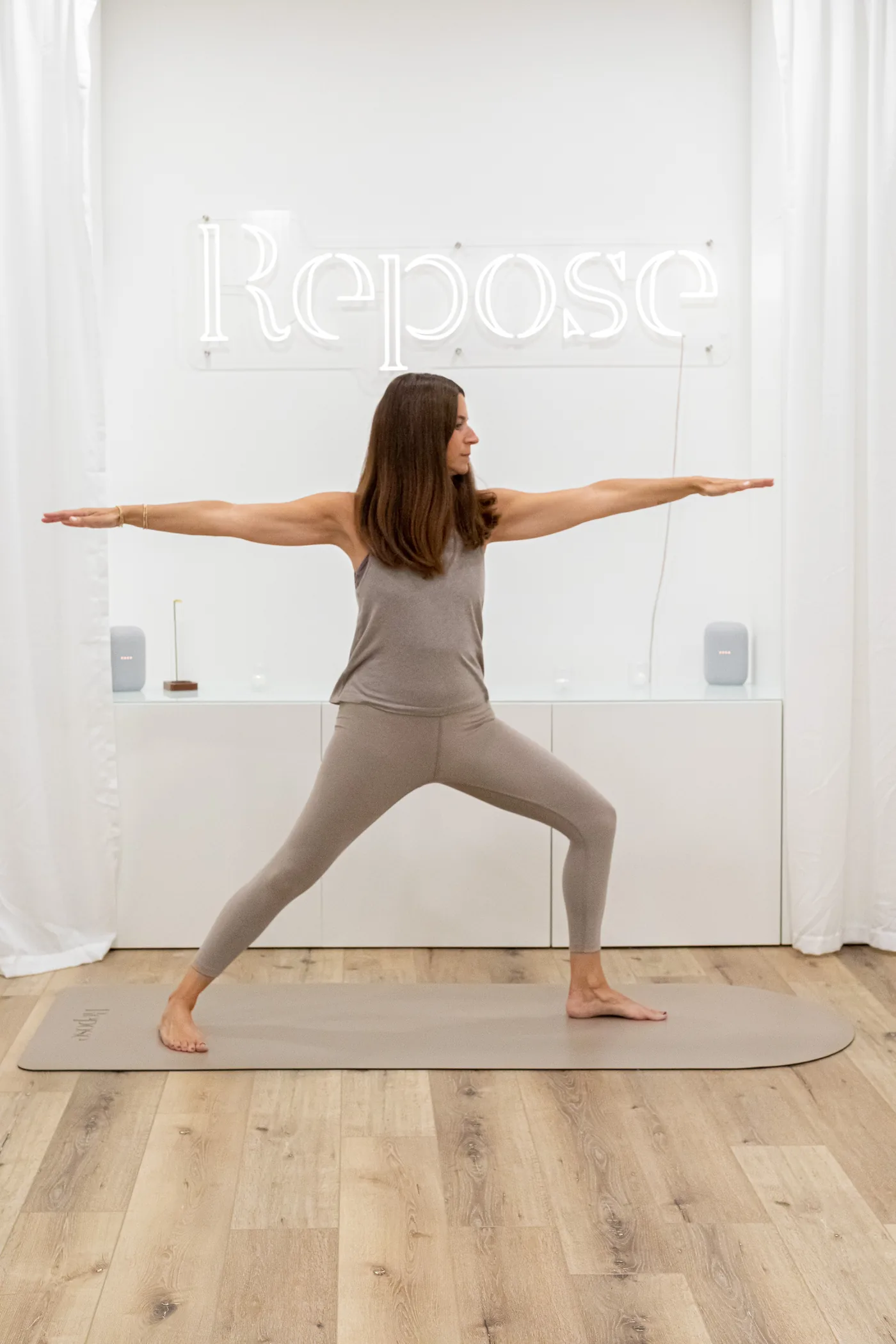
Sessions may include movement. Your therapist will always invite, never require, and you can stay seated or observe at any time.
Common concerns
Who this is for
Experiential therapy can be a fit if you process best through doing, if emotions feel stuck in the body, or if traditional talk therapy has not felt like the right fit. It welcomes beginners and people with creative backgrounds alike.
May be offered in individual, couples, or group formats.
No experience needed
The process matters more than anything you make or do.
Schedule a consultationHow we work
Working with materials to express and explore what is hard to say.
Using gesture, posture, and movement to notice and express emotion.
Talking together about what came up and what it might mean.
Your role
Try things lightly. You can always change direction.
Every activity can be adapted, slowed down, or skipped.
Your reflections guide where the session goes next.
What to expect

A consultation, then matching with a creative arts or somatic therapist.

Sessions blend making or moving with conversation, in the same session.

Noticing new ways of expressing yourself outside of therapy.

Adjusting the mix of creative work and talking over time.
Questions people ask
Begin
A free consultation can help you explore whether this fits.
Schedule a consultationUnion Square · Pleasantville · Online in NY, NJ & CT