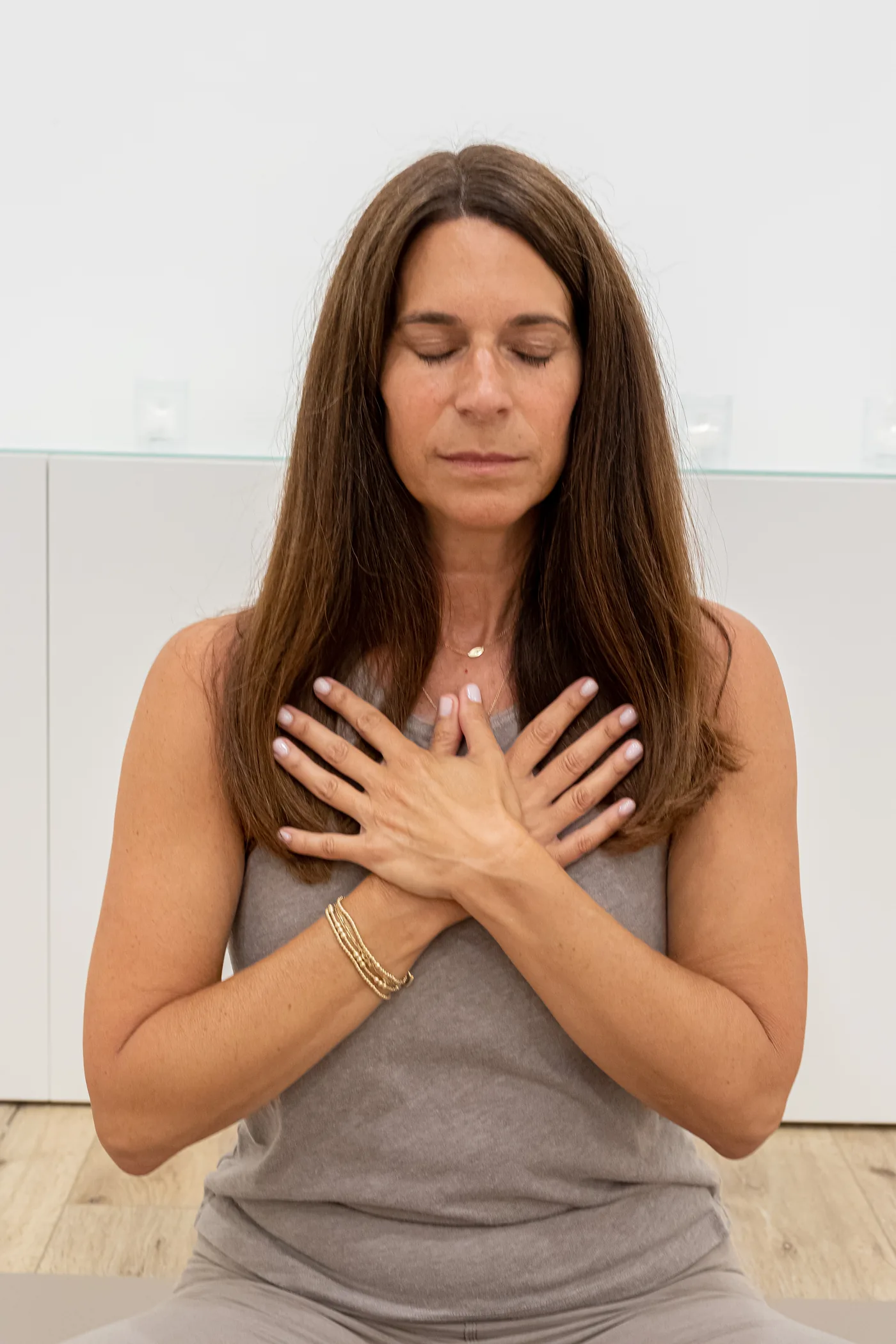
Mindfulness
Noticing the present moment without judging it.

DBT skills
Dialectical Behavior Therapy (DBT) skills can help when emotions feel big, fast, or hard to steady. We teach them within individual therapy.

Overview
DBT was developed to help people build a life that feels worth living, even with intense emotions. It balances acceptance and change. DBT-informed therapy draws on its four skill areas: mindfulness, distress tolerance, emotion regulation, and relationship skills.
At Repose, these skills are taught in individual sessions and paired with body awareness, so they are easier to use in hard moments.
What we help with
DBT skills can support people who feel overwhelmed by emotion, act on urges they later regret, or struggle in close relationships. They can also help with self-criticism and with getting through painful moments without making things harder.
If you are in crisis, please call or text 988. Repose provides outpatient therapy and is not an emergency service.
Common concerns

Who this is for
DBT-informed therapy can be a fit for teens, young adults, and adults who want practical skills for emotions and relationships. It is also used alongside family work, so caregivers can learn the same language and support new habits at home.
Available in person and online.

Acceptance and change
Both can be true. DBT helps you hold them together.
Schedule a consultationHow we work
Noticing the present moment without judging it.
Getting through intense moments without making them worse.
Understanding feelings and asking for what you need.
Your role
Skills work best when practiced on calm days, too.
Noticing which skills work for you guides next steps.
Learning new responses takes time. That is expected.
What to expect

A consultation, then shared goals and an understanding of your patterns.

Learning one skill at a time and trying it in real life.

Reaching for skills more naturally when emotions rise.

Refining skills and working on deeper themes together.
Questions people ask
Begin
A free consultation can help you find the right fit.
Schedule a consultationUnion Square · Pleasantville · Online in NY, NJ & CT