
How to Come Back After You've Hurt Someone

No matter how much we care about the people in our lives, we're all going to get it wrong sometimes.
We'll say something we didn't think through. We'll react from stress instead of intention. We'll miss someone's emotional needs, make assumptions, or let our defensiveness speak before our empathy does.
Hurting someone you love doesn't automatically make you a bad friend, partner, or family member. But how you respond afterward can shape the future of the relationship.
The goal isn't to avoid every mistake. It's to learn how to repair them.
Why Repair Matters More Than Perfection
Healthy relationships aren't built on never experiencing conflict. They're built on the ability to move through it.
Psychologists often refer to moments of disconnection as ruptures. A rupture can be anything from a misunderstanding to a heated argument or a broken promise. What strengthens relationships isn't the absence of these moments—it's the willingness to repair them.
When repair doesn't happen, resentment tends to fill the space where understanding could have grown.
Intention and Impact Can Both Be True
One of the hardest parts of repairing a relationship is accepting that your intention may not match someone else's experience.
You may not have meant to hurt someone, but that doesn't erase the impact your words or actions had.
Holding space for both realities allows the conversation to move away from proving who's right and toward understanding each other more deeply.
Instead of saying, "That wasn't what I meant," try asking, "Can you help me understand what that felt like for you?"
Curiosity often creates more connection than defensiveness.
A Meaningful Apology Goes Beyond "I'm Sorry"
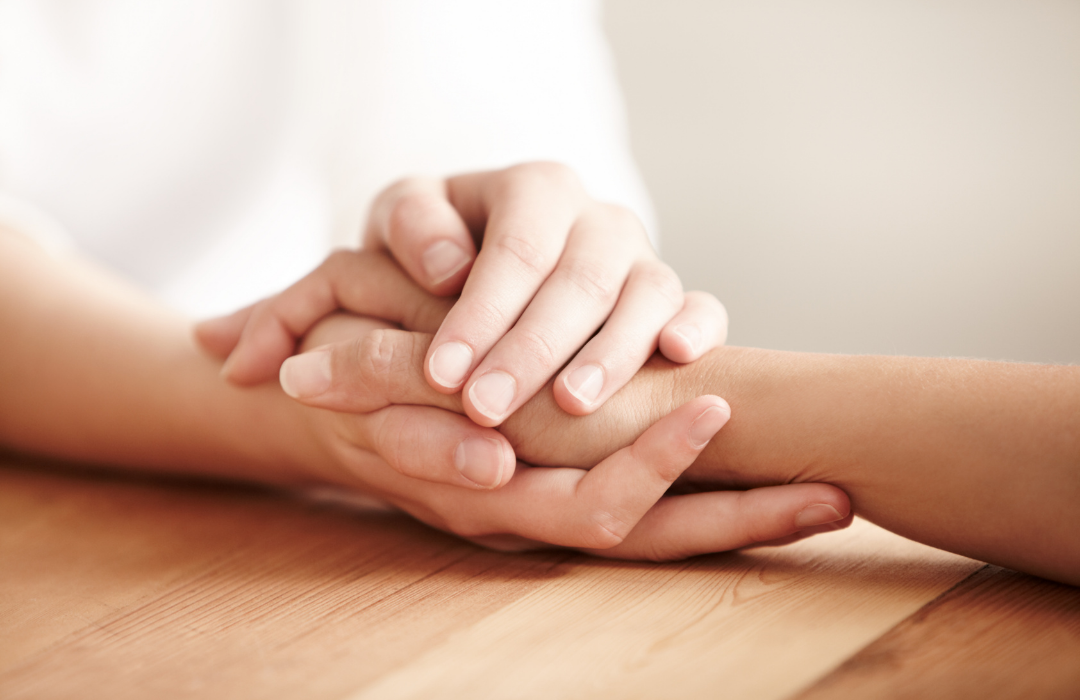
A genuine apology isn't about finding the perfect words. It's about helping the other person feel heard.
That often looks like:
Acknowledging what happened without minimizing it.
Taking responsibility for your part.
Validating the other person's feelings, even if they weren't your intention.
Asking what they need moving forward.
Following through with changed behavior.
Sometimes the most healing part of an apology isn't the apology itself. It's showing, over time, that you've taken it to heart.
Repair Also Means Repairing With Yourself
Making a mistake can bring up shame, guilt, or the fear that you've permanently damaged a relationship.
While accountability is important, getting stuck in self-criticism can make repair more difficult. If the conversation becomes focused on your guilt, it can unintentionally shift attention away from the person who was hurt.
Self-compassion isn't about avoiding responsibility. It's about creating enough emotional steadiness to stay present for a difficult conversation.
Becoming a Better Communicator
Repair isn't just something that happens after conflict. It's a skill that can transform the way we communicate every day.
As we become more aware of our emotional patterns, we're often better able to pause before reacting, express our needs more clearly, and listen without immediately trying to defend ourselves.
These skills aren't about being perfect. They're about staying connected, even when conversations become uncomfortable.
Growth Happens in the Conversations We Don't Avoid
Relationships aren't strengthened by pretending conflict doesn't exist. They're strengthened by returning with honesty, humility, and a willingness to understand each other.
If you find yourself repeating the same communication patterns, struggling with conflict, or feeling unsure how to navigate difficult conversations, therapy can offer a supportive space to build greater self-awareness and healthier ways of relating.
Connection isn't built by never getting it wrong. It's built by learning how to come back.
Ready to strengthen your relationships? Explore our therapy services or schedule a consultation to build the communication skills that support lasting connection.
