

Eating Disorder and Body Image Therapy
Transform your relationship to food, exercise, and your body

Are You Struggling With Body Image Issues Or Disordered Eating?
Perhaps, like millions of other adolescents and adults, you have an unbalanced or negative perception of your body. This may be accompanied by insecurity or anxiety about your physical appearance.
Experiencing issues with the way you see your body might cause you to focus excessively on your perceived flaws, diminishing your sense of self-worth. Maybe you are preoccupied with your weight, physique, or specific body parts, which may have prompted behaviors like extreme dieting or excessive exercise.
Body image issues can also impact your mental health, contributing to conditions like anxiety, depression, or eating disorders. Addressing these concerns through supportive interventions can help you foster a compassionate perception of your body.
Symptoms of Body Image Issues
Focusing on perceived flaws and imperfections in your appearance, fueling obsessive thoughts that reduce your self-esteem
Isolating yourself due to concerns about your physical appearance or fear of judgment
Frequently comparing your body to unrealistic standards portrayed in the media or online, placing excessive importance on achieving a specific weight or physique
Perceiving your body in a distorted way, such as seeing yourself as overweight despite being underweight
Constantly monitoring your weight, appearance, and/or body measurements, with “results” like the number on the scale dictating your mood
Disordered Eating Symptoms
Following unhealthy eating patterns like frequent dieting, skipping meals, or cycles of overeating and strict restriction
Ruminating on food, calories, and weight, driving obsessive behavior around meal planning
Using food to cope with unpleasant emotions, leading to binge eating episodes
Controlling weight through excessive exercise, fasting, or misusing laxatives or diuretics
Avoiding social events that involve food, feeling anxious or guilty about eating in front of others, or experiencing social isolation due to disordered eating habits
Sticking to rigid dietary rules around consuming only "healthy" or "clean" foods
Have any questions? Send us a message!
Common Types of Body Image and Disordered Eating Issues

Chronic Dieting
Individuals who chronically diet may persistently cycle between various weight loss methods, experiencing weight fluctuations in weight that can harm their physical and mental health. Chronic dieting can increase one’s risk of developing more severe eating disorders over time.
Emotional Eating
Consuming food as a coping mechanism for stress and difficult emotions can contribute to disordered eating.
There is a wide range of eating disorders and body image-related issues that each require individualized approaches for diagnosis and treatment in therapy.
Anorexia Nervosa
People with anorexia nervosa have an intense fear of gaining weight and severely restrict their food intake, which often results in excessive thinness. They often have a distorted body image.
Bulimia Nervosa
Bulimia nervosa involves recurrent binge eating episodes, followed by compensatory behaviors such as self-induced vomiting, excessive exercise, or the misuse of laxatives to control weight. Binging and purging is often accompanied by feelings of guilt and shame.
Orthorexia Nervosa
Individuals with orthorexia nervosa only eat foods they perceive as “healthy,” leading to extreme dietary restrictions and social isolation. The primary focus in orthorexia is on the quality, rather than the quantity, of food consumed.
Binge Eating Disorder
BED is characterized by regular episodes of consuming large amounts of food accompanied by a sense of loss of control. Individuals with BED do not engage in compensatory behaviors, which can lead to weight gain and may contribute to physical and emotional distress.
Avoidant/Restrictive Food Intake Disorder
Those with ARFID have limited food preferences, avoiding certain textures and smells. The primary motivation is not weight loss but rather sensory issues, lack of interest in food, or trauma-related aversions.
Body Dysmorphic Disorder
BDD describes an obsessive focus on “flaws” in one’s appearance, which may be minor or nonexistent. Individuals with BDD may engage in repetitive behaviors like excessive grooming or avoid socializing due to concerns about their appearance.
Eating Disorder Not Otherwise Specified
EDNOS encompasses a range of disordered eating patterns that do not fit the criteria for specific diagnoses. It is a flexible diagnosis that can involve a combination of atypical behaviors.
Compulsive Exercising (Exercise Addiction)
Individuals who exercise compulsively may engage in intense fitness routines, beyond the point of physical well-being, driven by a fear of weight gain or a compulsive need to burn calories.

Eating Disorder Therapy Can Help You Heal Your Relationship With Food
At Repose, our therapists understand the emotional, psychological, and environmental factors contributing to restrictive eating, binge eating, emotional eating issues, and other disordered eating behaviors. We cultivate a safe space in therapy to help you explore your relationships with food, fostering a deeper understanding of the emotional triggers for eating disorders.
Our trauma-informed, somatically oriented counselors are here to guide you through eating disorder recovery by using evidence-based practices. Your therapist can help you delve into the root causes of your body image concerns and eating disorders, equipping you with the tools you need to challenge distorted thinking and adopt healthy new coping skills.
Counseling Approaches to Body Image Concerns and Disordered Eating
In eating disorder counseling, we apply a variety of holistic approaches backed by extensive research to help you build self-esteem while improving your relationship with your body, food, and exercise. By integrating various techniques, we provide a comprehensive framework for you to embark on a journey of self-discovery, healing, and transformation.
-
For those grappling with eating disorders, somatic therapy can reshape their relationship with their bodies, promoting self-acceptance and positive embodiment. Somatic therapy allows individuals to process and release emotions stored in the body, emphasizing the importance of bodily sensations, movements, and experiences in the therapeutic process. It helps individuals become more attuned to their body's signals of hunger and fullness, fostering a more intuitive approach to nourishment.
Some people may experience delayed grief after a traumatic loss, wherein their suppressed grief after the loss of a loved one appears at a time that they least expect because of an unrelated or related trigger. Some may experience masked grief, where their grief manifests as physical symptoms or other maladaptive behaviors that they are unable to recognize as symptoms of grief.
-
CBT helps individuals identify and challenge negative beliefs related to body image and disordered eating, cultivating healthier perspectives and beneficial coping strategies to change maladaptive behaviors.
-
Through mindfulness and emotion regulation techniques, DBT aids individuals in managing distressing emotions that may contribute to disordered eating. It emphasizes acceptance while encouraging positive changes in behavior.
-
The HAES approach encourages individuals to focus on overall well-being rather than their weight. It promotes body acceptance, intuitive eating, and joyful movement as essential components of a healthy lifestyle.
-
Practices like mindful eating and body scan exercises enhance awareness of thoughts and sensations related to body image and eating habits, leading to more intentional, balanced choices.
-
Understanding the signs and symptoms of these conditions can help you determine if it’s time to reach out for help. From addressing postpartum depression and anxiety to fostering self-care and building resilience, therapy with guidance from our dedicated team can help you navigate this chapter.
-
IFS explores the internal dynamics of different "parts" within an individual. It helps identify and address conflicting emotions or beliefs related to body image and disordered eating, promoting internal harmony and self-understanding.
-
Body neutrality emphasizes what the body can do rather than how it looks, encouraging individuals to appreciate their bodies for their capabilities for a more neutral and accepting perspective.
Meet Our Team
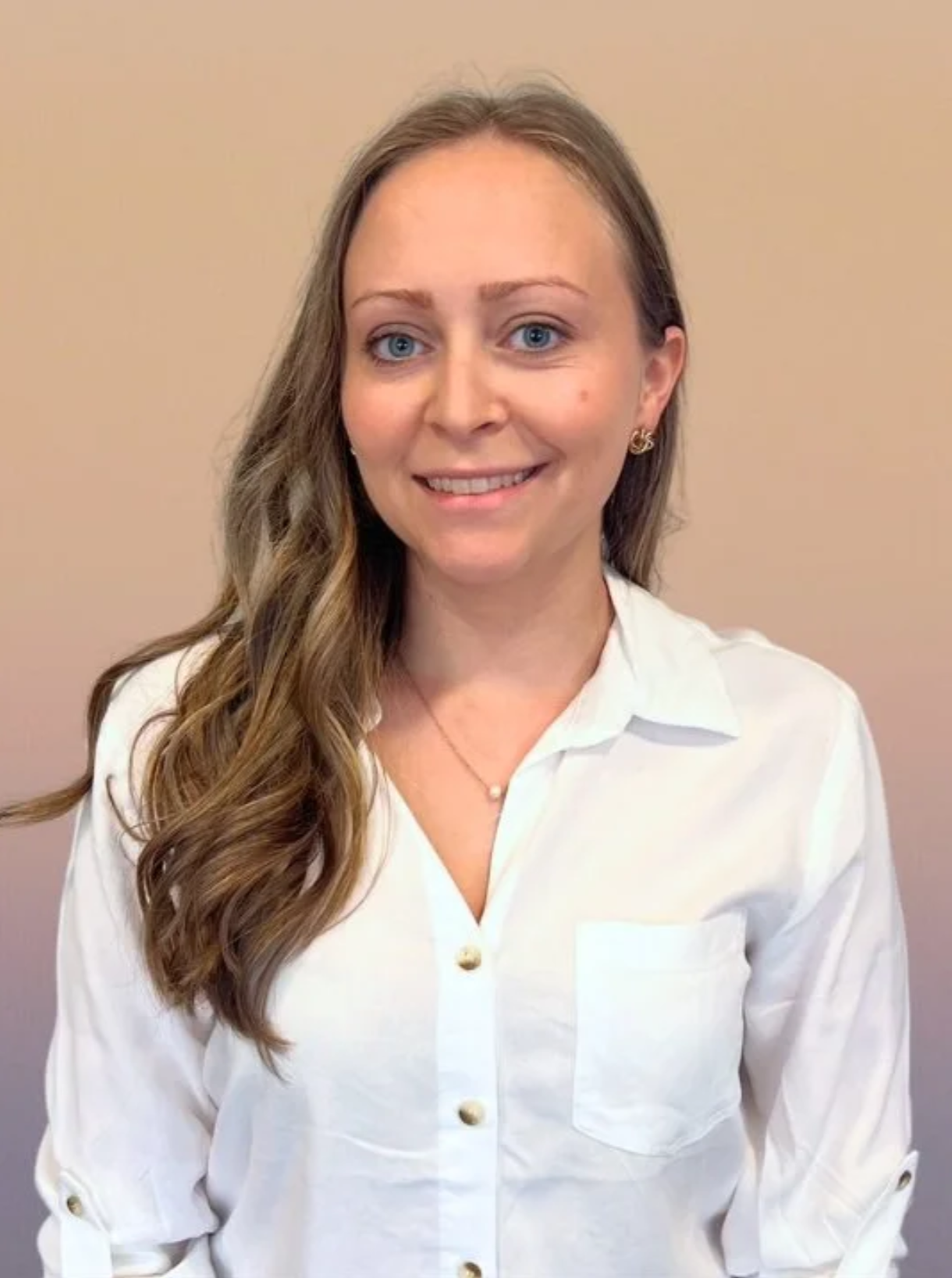
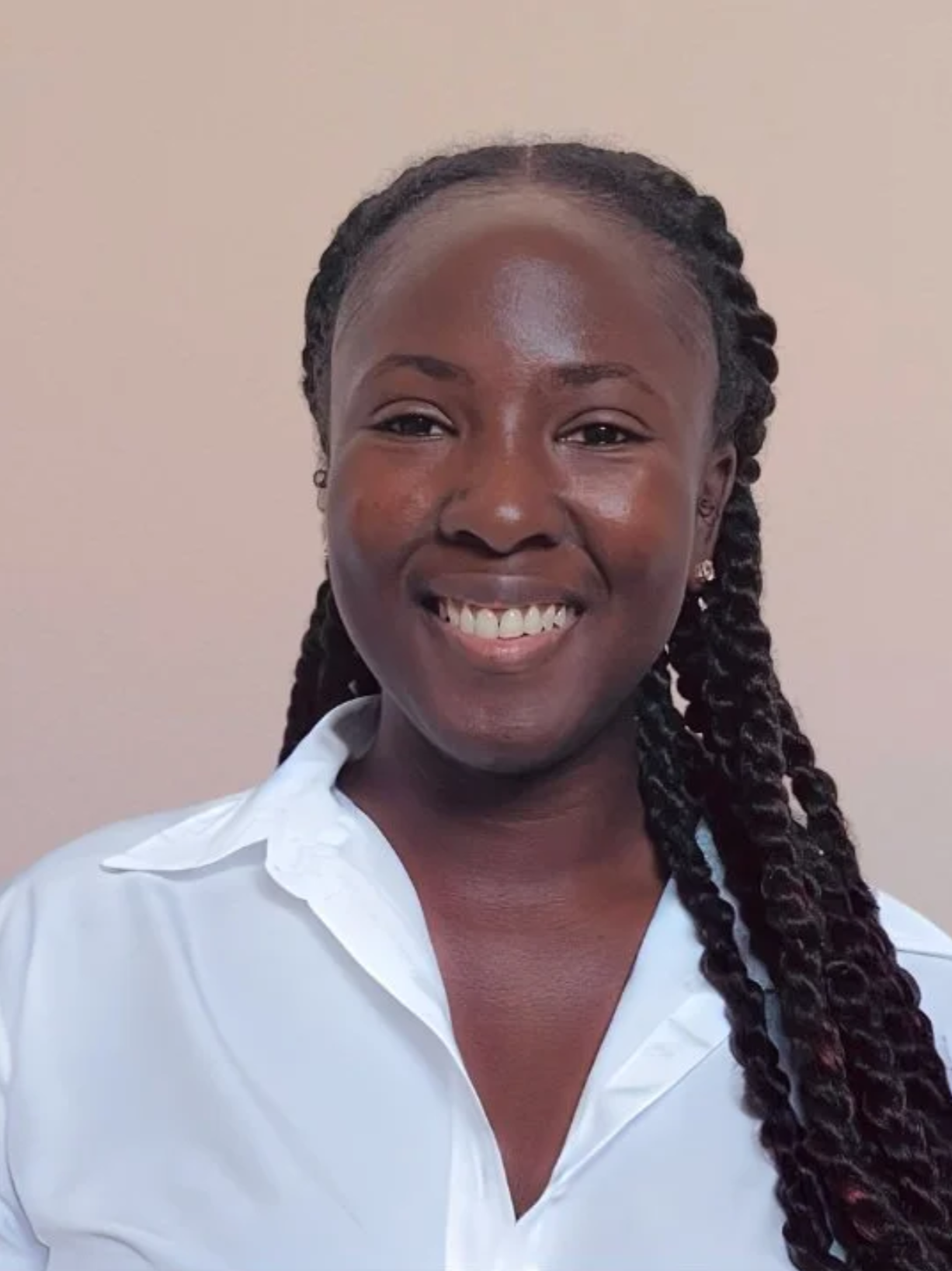
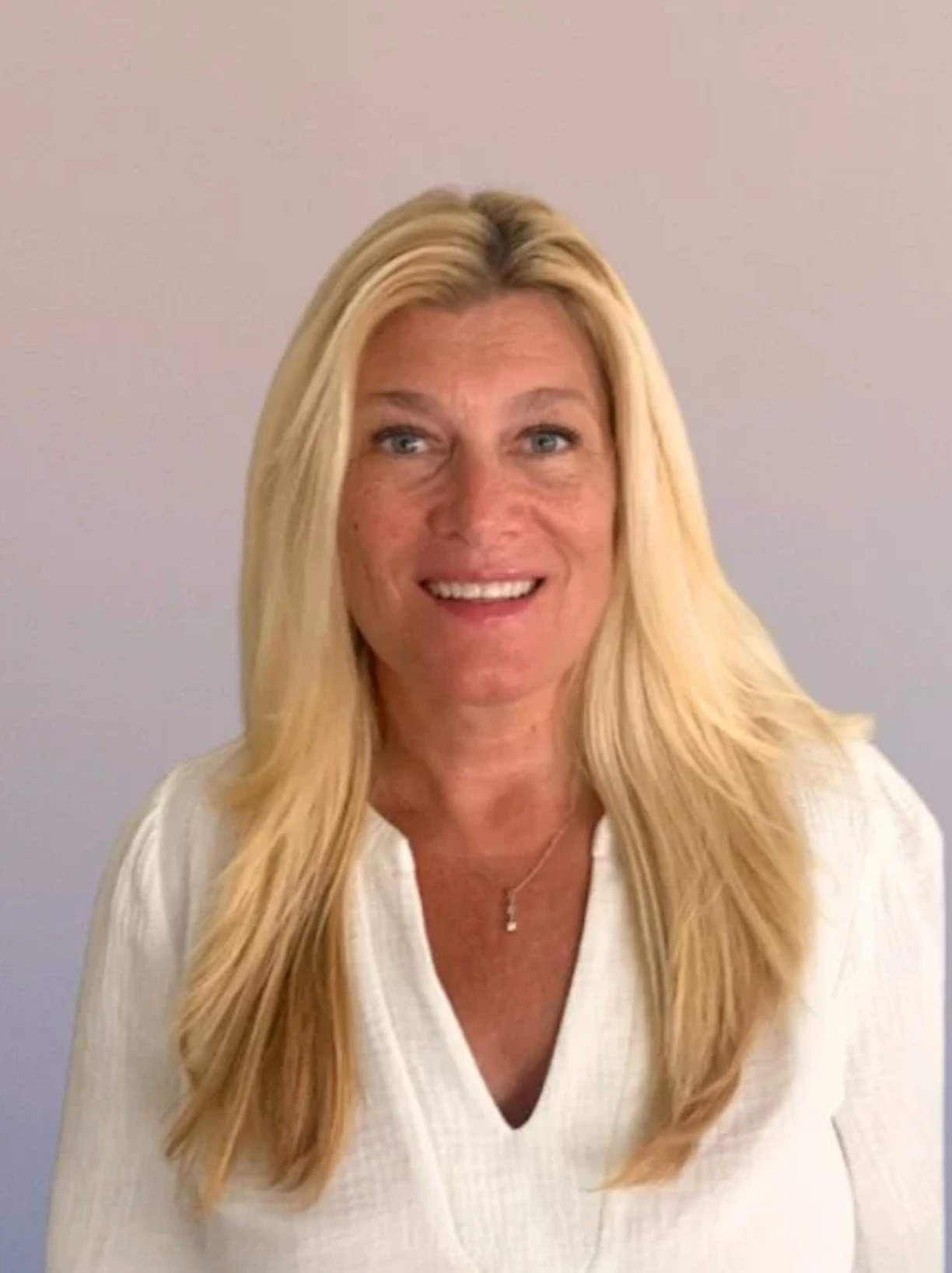
Our diverse and multilingual team of experts are licensed psychotherapists, trauma experts, and somatic educators.



















You May Still Have Questions About Eating Disorder Therapy…
-
Physical, emotional, or sexual trauma can impact an individual's body image and self-worth. Trauma survivors may develop distorted body images influenced by shame and guilt and feel dissociated from their physical selves. They may turn to disordered eating patterns as a coping mechanism, using food or the manipulation of their bodies to manage overwhelming emotions or regain a perceived sense of safety or control. Addressing the relationship between trauma, body image, and eating disorders in therapy is crucial.
-
01 - College Students
During this transitional phase of life, newfound independence, academic stress, and social expectations can fuel body image concerns and disordered eating.
02 - Teens & Adolescents
Young people face intense societal pressures and peer influences. The push to conform to unrealistic beauty standards can lead to self-esteem issues and unhealthy relationships with food.
03 - New Moms
The pressure to "bounce back" from the physical changes during pregnancy and postpartum, coupled with the emotional challenges of motherhood, can contribute to disordered eating patterns among new moms as a means of regaining control or meeting perceived expectations.
04 - Trauma Survivors
Body image issues and disordered eating can serve as coping mechanisms to manage the physical and emotional aftermath of trauma, as survivors may seek control over their bodies as a response to the loss of control during traumatic events.
05 - Women, Men, & Non-Binary Individuals
Pressures to conform to body ideals affect individuals across the gender spectrum, highlighting the importance of inclusive therapeutic approaches that address the unique experiences of womxn, men, and non-binary individuals.
-
If you find yourself constantly worried about your eating habits, body weight, or shape, and it's affecting your well-being or daily functioning, it might be beneficial to explore therapy. At Repose, we specialize in helping individuals develop a healthier relationship with food and their bodies. Our therapists are skilled in addressing the underlying issues that contribute to eating disorders and body image concerns. If we determine that your needs would be better met elsewhere, we're committed to guiding you to a provider who can offer the specialized care you require. Your mental health is our priority, and we're here to support you on your path to recovery.

Begin Your Journey of Healing With an Experienced Body Image and Eating Disorder Therapist
At Repose, we believe demonstrating empathy, compassion, and cultural humility are essential in providing sensitive and effective treatment. If you’re ready to start your journey to transform your life, we offer in-person therapy at our offices in NYC and Pleasantville and online therapy across New York, New Jersey, and Connecticut.
With training in CBT, EMDR, DBT, somatic therapy, and mindfulness, our team can help you address body image issues, eating disorders (such as anorexia, bulimia, and binge eating), conditions like ARFID, and more.
Explore the Repose Journal





INSURANCE & FEES
Yes! We Accept Insurance!
Many of our therapists accept commercial health insurances. When using these in-network insurances, you will only be required to pay the cost of your copay at the time of service.
If you want to use other insurance providers with out-of-network benefits, you are required to pay the full fee at the time of service. When using out-of-network insurance only, we provide you with a monthly superbill (a receipt of the therapy services you paid for) with all of the necessary information for you to submit the claim to your insurance.