

Repose Library
A Curated Selection of our Therapists’ Recommended Reading to Enrich Your Journey
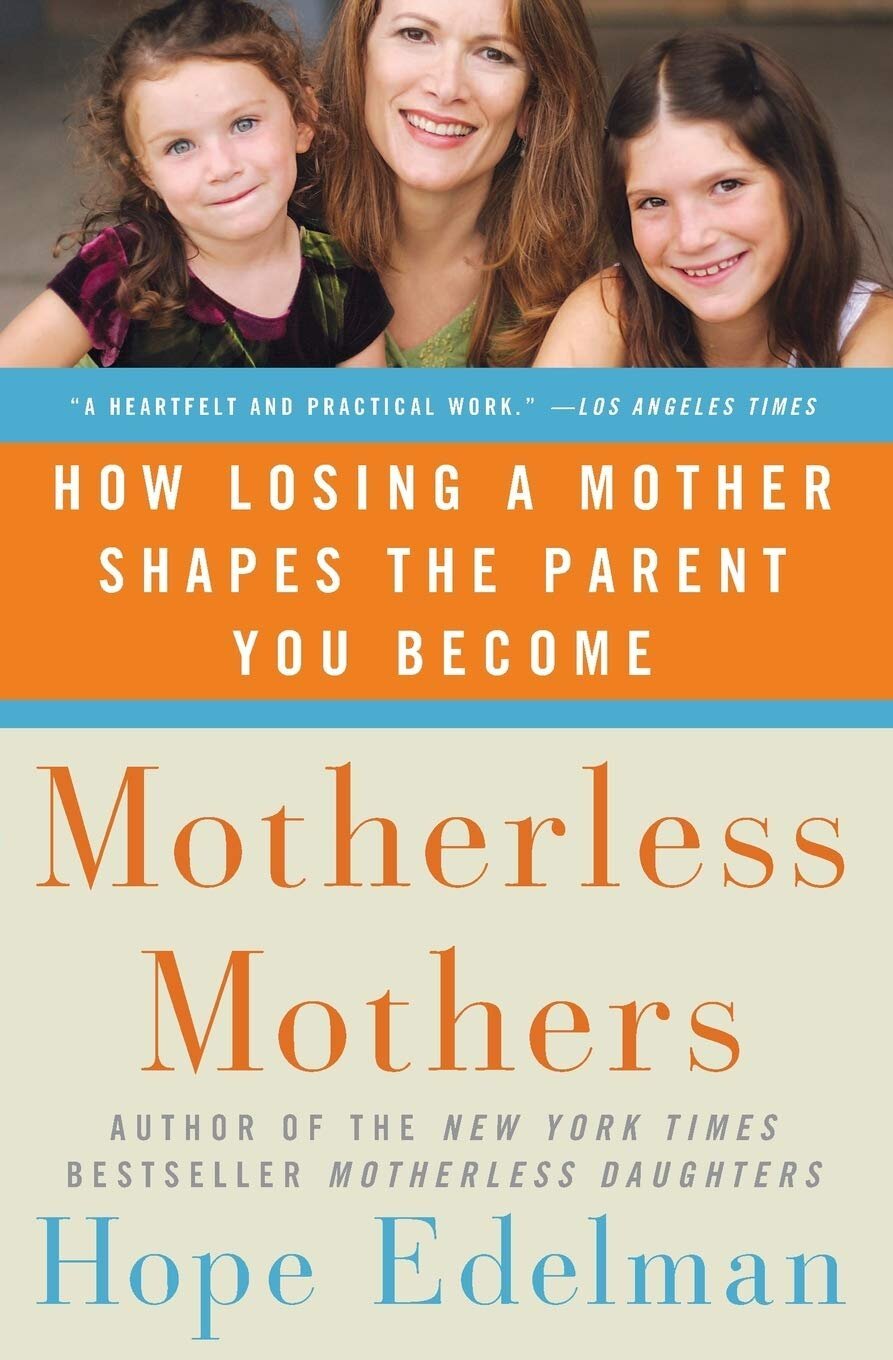
Motherless Mothers by Hope Edelman
In Motherless Mothers, Edelman uses her own story as a prism to reveal the unique anxieties and desires that these women experience as they raise their children without the help of a living maternal guide. In an impeccably researched, luminously written book enriched by the voices of the mothers themselves—and filled with practical insight and advice from experienced professionals—she examines their parenting choices, their triumphs, and their fears, and offers motherless mothers the guidance and support they want and need.
The Art of Waiting by Belle Boggs
In that heartbreaking essay, Boggs eloquently recounts her realization that she might never be able to conceive. She searches the apparently fertile world around her--the emergence of thirteen-year cicadas, the birth of eaglets near her rural home, and an unusual gorilla pregnancy at a local zoo--for signs that she is not alone. Boggs also explores other aspects of fertility and infertility: the way longing for a child plays out in the classic Coen brothers film Raising Arizona; the depiction of childlessness in literature, from Macbeth to Who's Afraid of Virginia Woolf?; the financial and legal complications that accompany alternative means of family making; the private and public expressions of iconic writers grappling with motherhood and fertility. She reports, with great empathy, complex stories of couples who adopted domestically and from overseas, LGBT couples considering assisted reproduction and surrogacy, and women and men reflecting on childless or child-free lives.
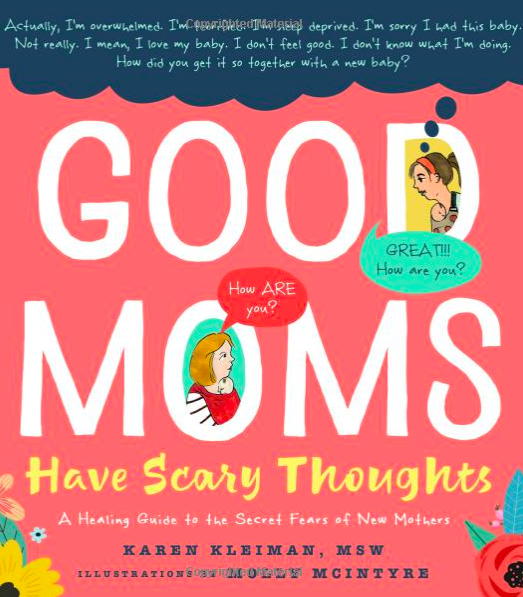
Good Moms Have Scary Thoughts by Karen Kleinman, MSW
This uber-digestible illustrated book is a lighthearted yet serious window into the postpartum period serving compassion, validation, hope, and expertise.
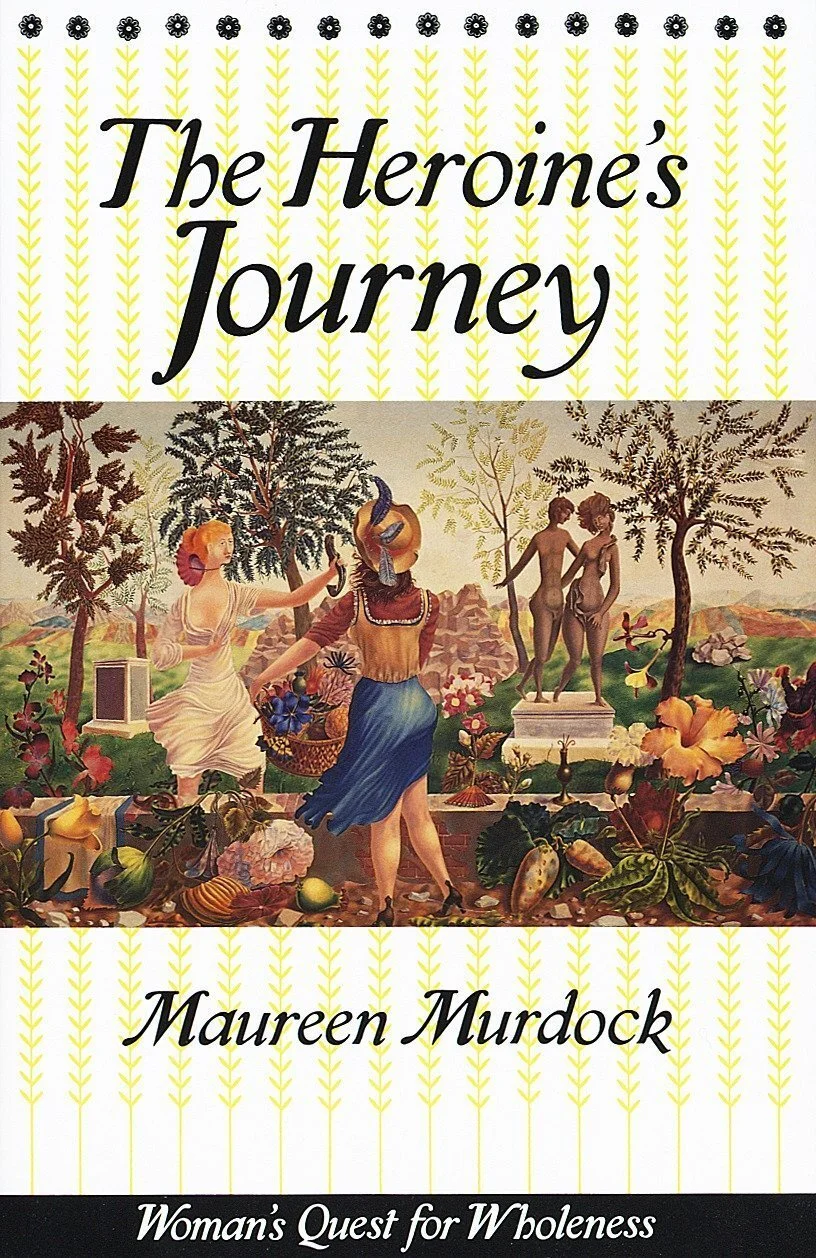
The Heroine's Journey by Maureen Murdock
This book describes contemporary woman's search for wholeness in a society in which she has been defined according to masculine values. Drawing upon cultural myths and fairy tales, ancient symbols and goddesses, and the dreams of contemporary women, Murdock illustrates the need for—and the reality of—feminine values in Western culture today.