

Repose Library
A Curated Selection of our Therapists’ Recommended Reading to Enrich Your Journey
Domestic Affairs: Enduring the Pleasures of Motherhood and Family Life
Witty and insightful, Domestic Affairs is an extension of Joyce Maynard’s celebrated, widely syndicated newspaper column of the same name that ran from 1984 to 1990. Each essay gives an unfiltered look at the ups and downs of family life and a remarkable window into the challenges of modern motherhood. Topics range from babysitter woes to family visits to coping with a child’s burgeoning independence. These collected writings represent nine years’ worth of stories about the greatest adventure of Maynard’s life, or, as she writes, “the difficult, exhausting, humbling, and endlessly gratifying business of raising children, of ensuring the health of both body and soul.”
The Seed: Infertility Is a Feminist Issue by Alexandra Kimball
In pop culture as much as in policy advocacy, the feminist movement has historically left infertile women out in the cold. This book traverses the chilly landscape of miscarriage, and the particular grief that accompanies the longing to make a family. Framed by her own desire for a child, journalist Alexandra Kimball brilliantly reveals the pain and loneliness of infertility, especially as a lifelong feminist. Her experience of online infertility support groups -- where women gather in forums to discuss IVF, surrogacy, and isolation -- leaves her longing for a real life community of women working to break down the stigma of infertility.
Cribsheet: A Data-Driven Guide to Better, More Relaxed Parenting, from Birth to Preschool by Emily Oster
Armed with the data, Oster finds that the conventional wisdom doesn't always hold up. She debunks myths around breastfeeding (not a panacea), sleep training (not so bad!), potty training (wait until they're ready or possibly bribe with M&Ms), language acquisition (early talkers aren't necessarily geniuses), and many other topics. She also shows parents how to think through freighted questions like if and how to go back to work, how to think about toddler discipline, and how to have a relationship and parent at the same time.
The Trying Game: Get Through Fertility Treatment and Get Pregnant without Losing Your Mind by Amy Klein
There are so many ways to be Not Pregnant: You can be young, old, partnered, or unpartnered. Maybe you have endometriosis. Maybe you don’t have enough eggs or your partner doesn’t have enough sperm. Or maybe there’s nothing wrong except you’re Just. Not. Pregnant.
Amy Klein has been there. Faced with fertility obstacles, she quickly became an expert. After nine rounds of IVF, four miscarriages, three acupuncturists, two rabbis, and one reproductive immunologist, she finally became a mother. And she wrote about it all for the New York Times Motherlode blog in her “Fertility Diary” column.
Now, Amy has written the book she wishes she’d had when she was trying to get pregnant. With advice from medical experts as well as real women, she outlines your options every step of the way, from questions you should ask to advice on getting your mother-in-law to mind her own beeswax
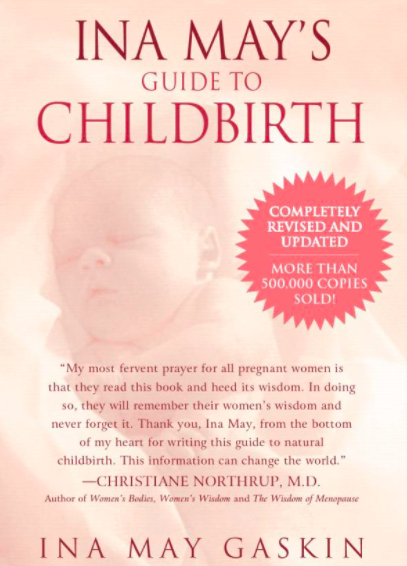
Ina May's Guide to Childbirth by Ina May Gaskin
What you need to know to have the best birth experience for you. Drawing upon her thirty-plus years of experience, Ina May Gaskin, the nation’s leading midwife, shares the benefits and joys of natural childbirth by showing women how to trust in the ancient wisdom of their bodies for a healthy and fulfilling birthing experience. Based on the female-centered Midwifery Model of Care, Ina May’s Guide to Natural Childbirth gives expectant mothers comprehensive information on everything from the all-important mind-body connection to how to give birth without technological intervention.
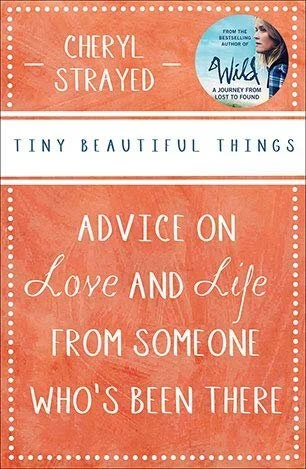
Tiny Beautiful Things By Cheryl Strayed
Life can be hard: your lover cheats on you; you lose a family member; you can’t pay the bills—and it can be great: you’ve had the hottest sex of your life; you get that plum job; you muster the courage to write your novel. Sugar—the once-anonymous online columnist at The Rumpus, now revealed as Cheryl Strayed, author of the bestselling memoir Wild—is the person thousands turn to for advice.
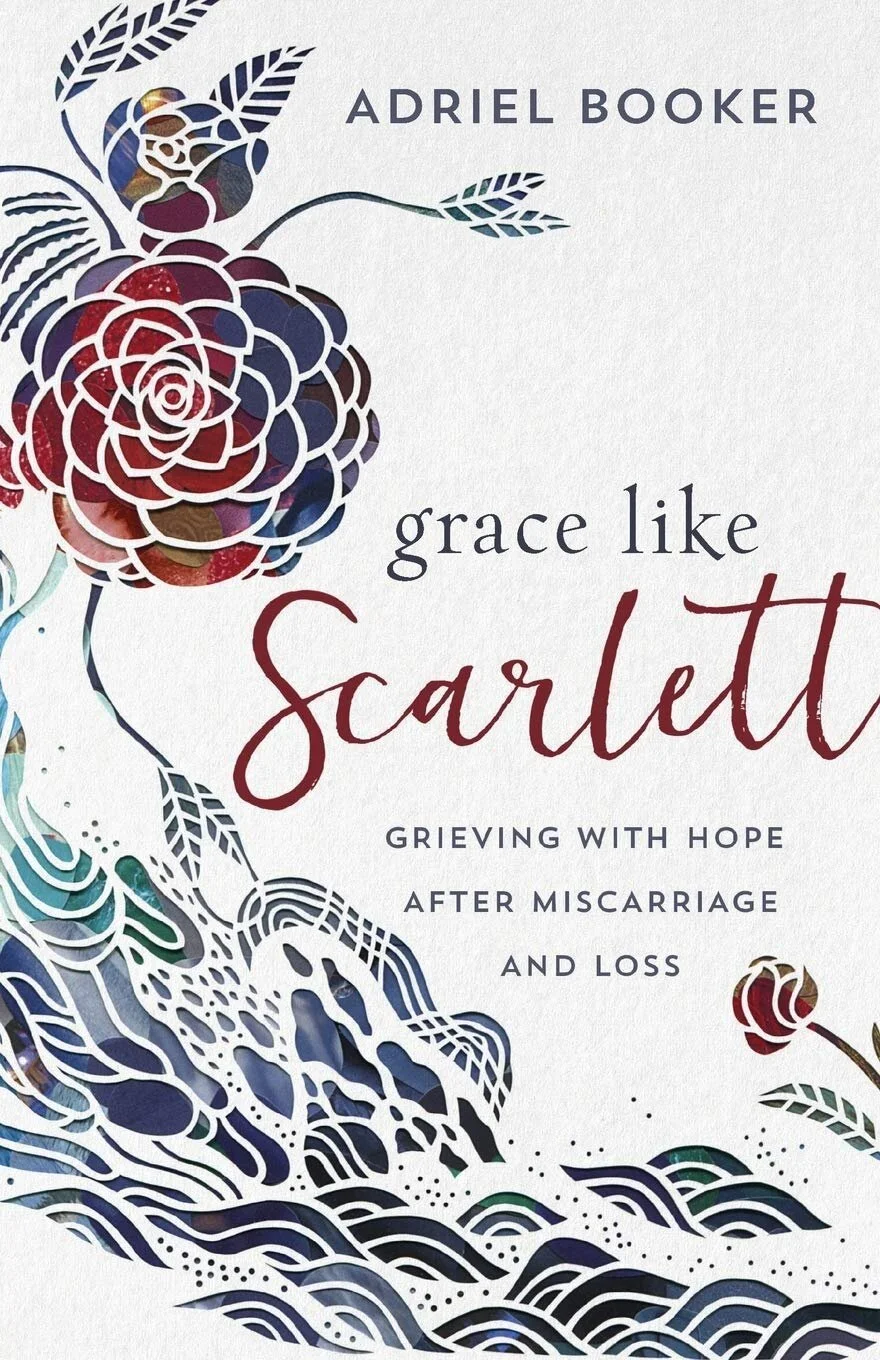
Grace Like Scarlett: Grieving with Hope after Miscarriage and Loss by Adriel Booker
Though one in four pregnancies ends in loss, miscarriage is shrouded in such secrecy and stigma that the woman who experiences it often feels deeply isolated, unsure how to process her grief. Her body seems to have betrayed her. Her confidence in the goodness of God is rattled. Her loved ones don't know what to say. Her heart is broken. She may feel guilty, ashamed, angry, depressed, confused, or alone.
With vulnerability and tenderness, Adriel Booker shares intimate stories about her experiences with early and mid-term miscarriages to help you navigate your own grief and know you aren't alone. She tackles complex questions about faith, suffering, and God's will with sensitivity and clarity, devoid of religious clichés or pat answers. Ultimately, Adriel invites you to a wide-open place of grace, honesty, and genuine hope as you discover a redemption story unfolding in the shadows of your loss. She also includes practical resources for ways to help guide children through grief, advice on pregnancy after loss, and special sections for dads and loved ones.
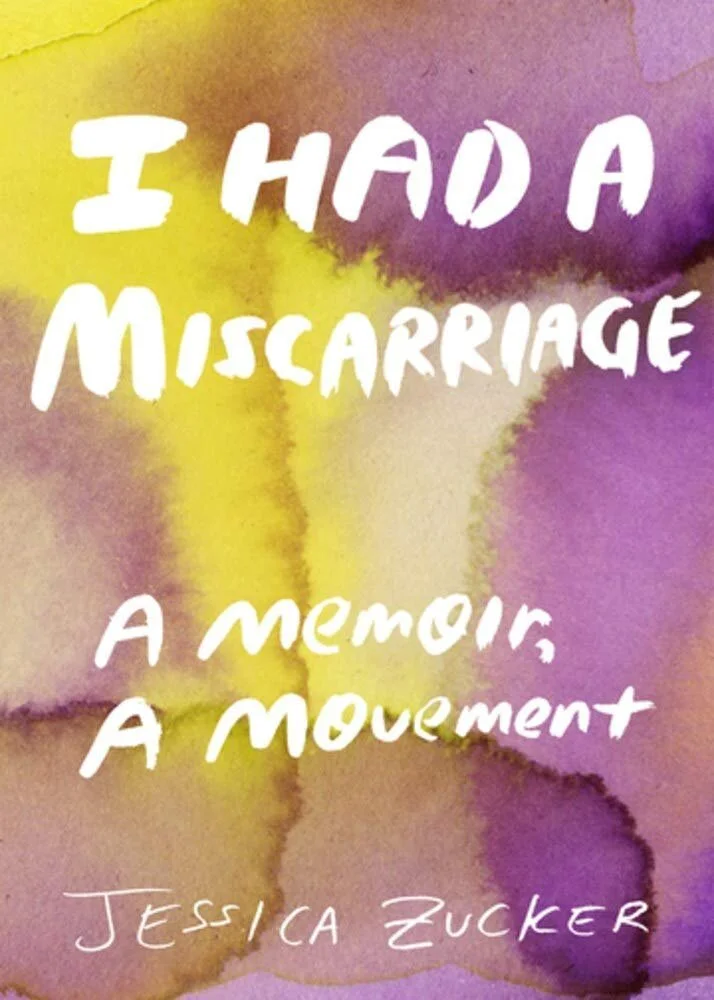
I had a Miscarriage: A Memoir, a Movement by Jessica Zucker
Sixteen weeks into her second pregnancy, psychologist Jessica Zucker miscarried at home, alone. Suddenly, her career, spent specializing in reproductive and maternal mental health, was rendered corporeal, no longer just theoretical. She now had a changed perspective on her life’s work, her patients’ pain, and the crucial need for a zeitgeist shift. Navigating this nascent transition amid her own grief became a catalyst for Jessica to bring voice to this ubiquitous experience. She embarked on a mission to upend the strident trifecta of silence, shame, and stigma that surrounds reproductive loss—and the result is her striking memoir meets manifesto.
This Isn't What I Expected - Overcoming Postpartum Depression by Karen Kleinman
If you or someone you love is among the one in seven women stricken by PPD, you know how hard it is to get real help. This proven self-help program, which can be used alone or with a support group or therapist, will help you monitor each phase of illness, recognize when you need professional help, cope with daily life, and recover with new strength and confidence. Learn how to:
Identify the symptoms of PPD and distinguish it from "baby blues"
Deal with panic attacks, obsessive-compulsive urges, and stress overload
Break the cycle of shame and negative thoughts
Mobilize support from your husband or partner, family, and friends
Seek and evaluate treatment options
Cope with the disappointment and loss of self-esteem
Not Pregnant: A Not Pregnant: Companion for the Emotional Journey of Infertility by Cathie Quillet
Maybe you have suffered a miscarriage. Maybe you have been told you cannot have children. Maybe you have followed every bit of advice from every doctor and self-help book, but you still aren’t seeing that pink plus sign.
Many women face the disheartening struggle of infertility in silence. Between the feelings of shame, the strain on marriages, and the loads of money spent on medicines and failed procedures, they don’t want to admit what they often see as a personal flaw: that they cannot bear children.
After four miscarriages and years of infertility, Cathie Quillet felt stuck and alone in her negative emotions. In Not Pregnant, Quillet offers a place for women who are experiencing infertility to come together, validate their emotions, and let go of their pain.

Silent Sorority: A (Barren) Woman Gets Busy, Angry, Lost and Found by Pamela Mahoney Tsigdinos
From celebrity and news magazines to TV programs to Facebook pages and mommy blogs, family-building successes are routinely and glowingly shared and celebrated. But where are the voices of those who are unable to have children? In relating what happens when nature and science find their limits, Silent Sorority examines a seldom acknowledged outcome and raises provocative, often uncomfortable questions usually reserved for late-night reflection or anonymous blogging. Outside of the physical reckoning there lies the challenge of moving forward in a society that doesn't know how to handle the awkwardness of infertility. With no Emily Post-like guidelines for supporting couples who can't conceive, most well-intentioned "fertile" people miss the mark. Silent Sorority offers an unflinching and insightful look at what it's like to be barren in an era of designer babies and helicopter parents.
Conceivability: What I Learned Exploring the Frontiers of Fertility by Elizabeth Katkin
In Conceivability, Elizabeth Katkin, now a mother of two, exposes eye-opening information about the medical, financial, legal, scientific, emotional, and ethical issues at stake. “A well-researched, informative, and positive account of a very long journey to motherhood” (Kirkus Reviews), Conceivability sheds light on the often murky and baffling world of conception science. Her book is an invaluable and inspiring text that will be a boon to others navigating the deep and “choppy waters” of fertility treatment (Publishers Weekly), and her chronicle of one of the most difficult, painful, rewarding, and loving journeys a woman can take is as informative as it is poignant.
Option B by Sheryl Sandberg
Option B shares the stories of people who've had to deal with traumatic events (single-incident or chronic), seeks to help you face adversity, become more resilient, and find joy again after life punches you in the face.
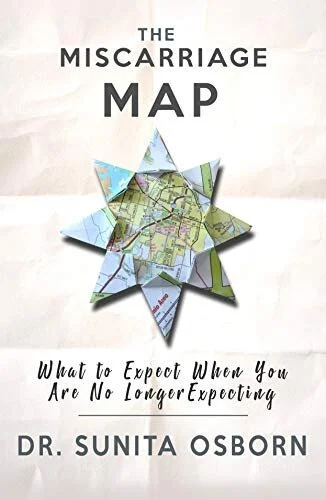
The Miscarriage Map: What to Expect When you are No Longer Expecting by Dr. Sunita Osborn
Informed by her clinical expertise and her own personal experience with miscarriage, the Miscarriage Map offers women, their partners, and loved ones with the nitty gritty realities of a miscarriage, the accompanying emotional roller coaster, and specific steps to take to help them get through this loss.
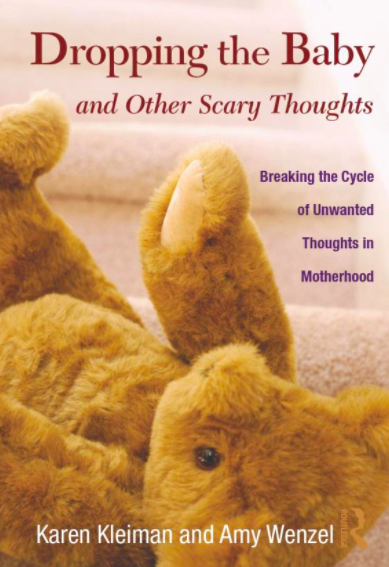
Dropping the Baby and Other Scary Thoughts by Karen Kleinman and Amy Wenzel
What if I drop my baby when I go down the steps? What if I burn the baby in the bathtub?
Thoughts like these can be frightening to new mothers, but are a common symptom pregnant and postpartum women can experience. Dropping the Baby and Other Scary Thoughts addresses the nature of these intrusive, negative and unwanted thoughts. Kleiman and Wenzel offer answers to the women who seek information, clarification, and validation in this useful resource for healthcare professionals working with these mothers. Written by two clinicians who have established themselves as leading experts and authors in this specialized field, this book maintains a compassionate tone that will be a voice familiar to many women in the postpartum community. Whether you must confront these negative notions personally or in your practice, this book will explain what these thoughts are, why they are there, and what can be done about them.
A Mother's Loss Workbook by Diane Hambrook
To tell you how to use this workbook would be like giving you instructions on how to grieve. Impossible. The only thing we know for sure is that no two people will approach this work in the same way. If there is one thing you should remember as you begin this process, it is this: You are not alone. With that knowledge, you have already begun to heal.
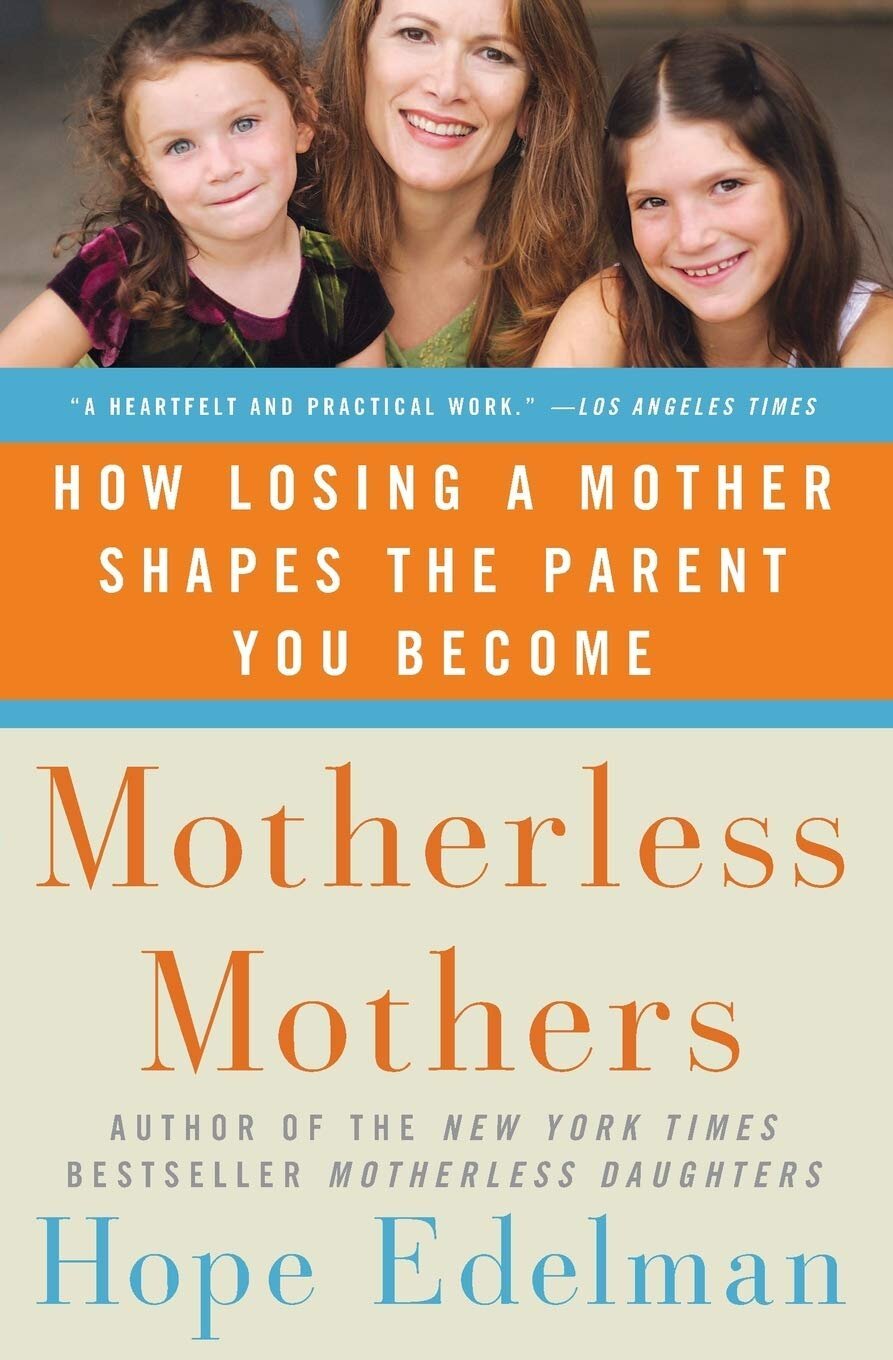
Motherless Mothers by Hope Edelman
In Motherless Mothers, Edelman uses her own story as a prism to reveal the unique anxieties and desires that these women experience as they raise their children without the help of a living maternal guide. In an impeccably researched, luminously written book enriched by the voices of the mothers themselves—and filled with practical insight and advice from experienced professionals—she examines their parenting choices, their triumphs, and their fears, and offers motherless mothers the guidance and support they want and need.
The Art of Waiting by Belle Boggs
In that heartbreaking essay, Boggs eloquently recounts her realization that she might never be able to conceive. She searches the apparently fertile world around her--the emergence of thirteen-year cicadas, the birth of eaglets near her rural home, and an unusual gorilla pregnancy at a local zoo--for signs that she is not alone. Boggs also explores other aspects of fertility and infertility: the way longing for a child plays out in the classic Coen brothers film Raising Arizona; the depiction of childlessness in literature, from Macbeth to Who's Afraid of Virginia Woolf?; the financial and legal complications that accompany alternative means of family making; the private and public expressions of iconic writers grappling with motherhood and fertility. She reports, with great empathy, complex stories of couples who adopted domestically and from overseas, LGBT couples considering assisted reproduction and surrogacy, and women and men reflecting on childless or child-free lives.
Motherless Daughter: The Legacy of Loss by Hope Edelman
Although a mother's mortality is inevitable no book has discussed the profound lasting and far-reaching effects of this loss until Motherless Daughters, which became an instant classic. More than twenty years later, it is still the go-to book that women of all ages look to for comfort, help, and understanding when their mother dies.
Good Moms Have Scary Thoughts by Karen Kleinman, MSW
This uber-digestible illustrated book is a lighthearted yet serious window into the postpartum period serving compassion, validation, hope, and expertise.