

Repose Journal
EXPLORE TOPICS

Coping with Life Transitions: How to Handle Change and Uncertainty
In this blog post, we explore effective coping mechanisms for navigating life transitions and embracing change and uncertainty. By acknowledging and honoring our emotions, practicing self-compassion, focusing on what we can control, seeking support, and cultivating mindfulness, we can navigate these transitions with greater ease and foster personal growth and resilience. Every transition is an opportunity for learning and transformation, and by embracing the journey, we can emerge stronger and more resilient than ever before.

Finding the Right Therapist for You
Unresolved childhood trauma can manifest in various ways, affecting our emotional well-being, relationships, and overall quality of life. In this blog post, we will explore the concept of the inner child, the lasting effects of childhood trauma, and the journey of healing and reclaiming our inner selves.

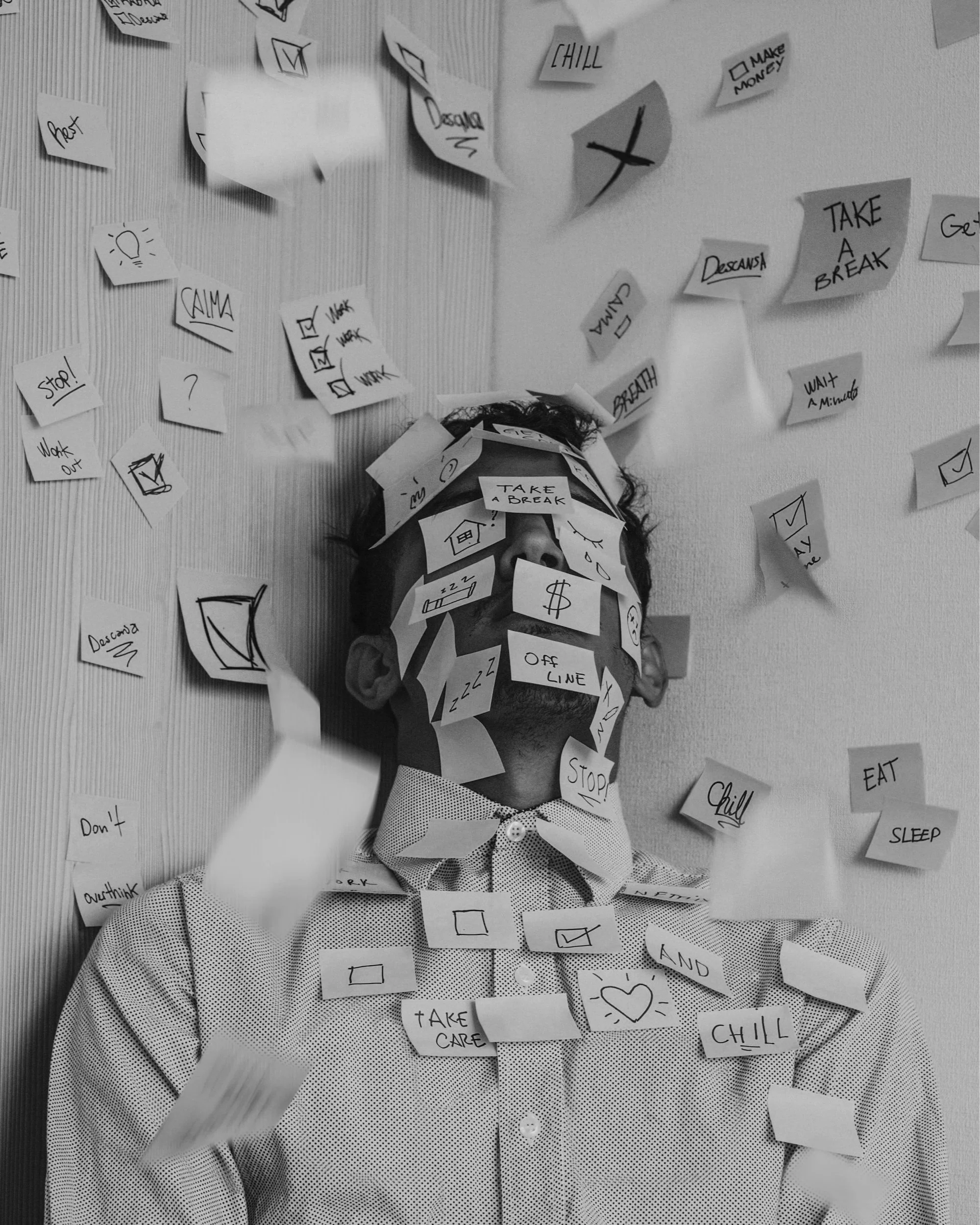
Coping Skills for Anxiety
As a therapist, I've seen firsthand how anxiety can impact a person's daily life. It can manifest in many different ways, from racing thoughts and heart palpitations to panic attacks and avoidance behaviors. While there is no one-size-fits-all solution for managing anxiety, there are coping skills that can help individuals take control of their symptoms and improve their overall well-being. Curious to learn what those are? Read on!

From Therapist to Client: Ways to Benefit from Personal Therapy Services as a Mental Health Practitioner
As a therapist, receiving our own personal therapy can be rather comforting and insightful. However, there are times when it becomes difficult to remove the therapist hat while being in the seat of the client. Read on to learn ways that you can benefit from your own personal therapy as a client while also being a practicing therapist.

Addressing Your Negative Filter: How Cognitive Behavioral Therapy Can Help
Imagine you’re wearing a pair of blue-tinted sunglasses. Everything that comes into your sight is, well, blue. You could be standing in a vast field of vibrant lavenders, or staring at the sunset on the beach. As long as you have those tinted sunglasses on, everything you see is going to match the color of your sunglasses.

Motivation M.I.A: Helpful Ways to Increase Motivation
Absence of or reduced motivation can serve as a significant barrier to completing necessary tasks. During these moments, the urge to procrastinate is often a chosen method to achieve short-term relief. Find out how you can increase motivation and reduce procrastination to become more productive.

Creating a Bedtime Routine to Manage Stress and Anxiety
Many of us have learned throughout our lives that drinking is a normal part of being an adult. We drink when we get together with friends, when we have a good meal with the people we love, or when we are finally home after a long, stressful day. If you’re a person who drinks, you may at some point begin to question if and how alcohol is serving you, your health, and your relationships. Curious? Keep reading!

Mindful Drinking: Applying Intentionality for a Healthier Relationship to Alcohol
Many of us have learned throughout our lives that drinking is a normal part of being an adult. We drink when we get together with friends, when we have a good meal with the people we love, or when we are finally home after a long, stressful day. If you’re a person who drinks, you may at some point begin to question if and how alcohol is serving you, your health, and your relationships. Curious? Keep reading!

Not-So-Happy Holidays: Navigating Isolation Through the Holiday Season
Do you feel alone and disconnected more than ever during this time of manufactured happiness? Chances are you are not alone. Let’s navigate this together. Click on the image to read on.

How to Prepare for Daylight Savings
Daylight savings can feel like a challenging adjustment, and it's not uncommon to experience disturbances in sleep, mood, and energy levels. In order to minimize any adverse effects of "falling back," we invite you to try these strategies.

Why Reasoning With Yourself is Difficult When You Are Anxious and What to Try Instead
For many people who experience anxiety and overwhelm, it can feel extremely frustrating while in the experience. Typically, you become very aware of many different types of body sensations, such as a racing heart, shortness of breath, heat rising up your chest and face, and dizziness or nausea. The many thoughts racing around in your head can feel like they are pummeling the inside of your brain. Even if you are able to track what these thoughts are saying, they often feel extremely true in the moment. Click on the image to read more.
The Little Things That Help (With Our Mental Health)
Mental health disorders affect 13% of the world’s population. In the U.S. alone, nearly 50 million adults experience some form of mental health issue. In line with this prevalence, more and more mediums of treatment are being rolled out. That said, pursuing most of these traditional mental healthcare avenues like therapy is not as accessible as we want them to be. Fortunately, even small lifestyle changes can help you better care for your mental health. Let’s take a look at them. Read on to learn about the little things you can do to better your mental health! - Jada Simmons
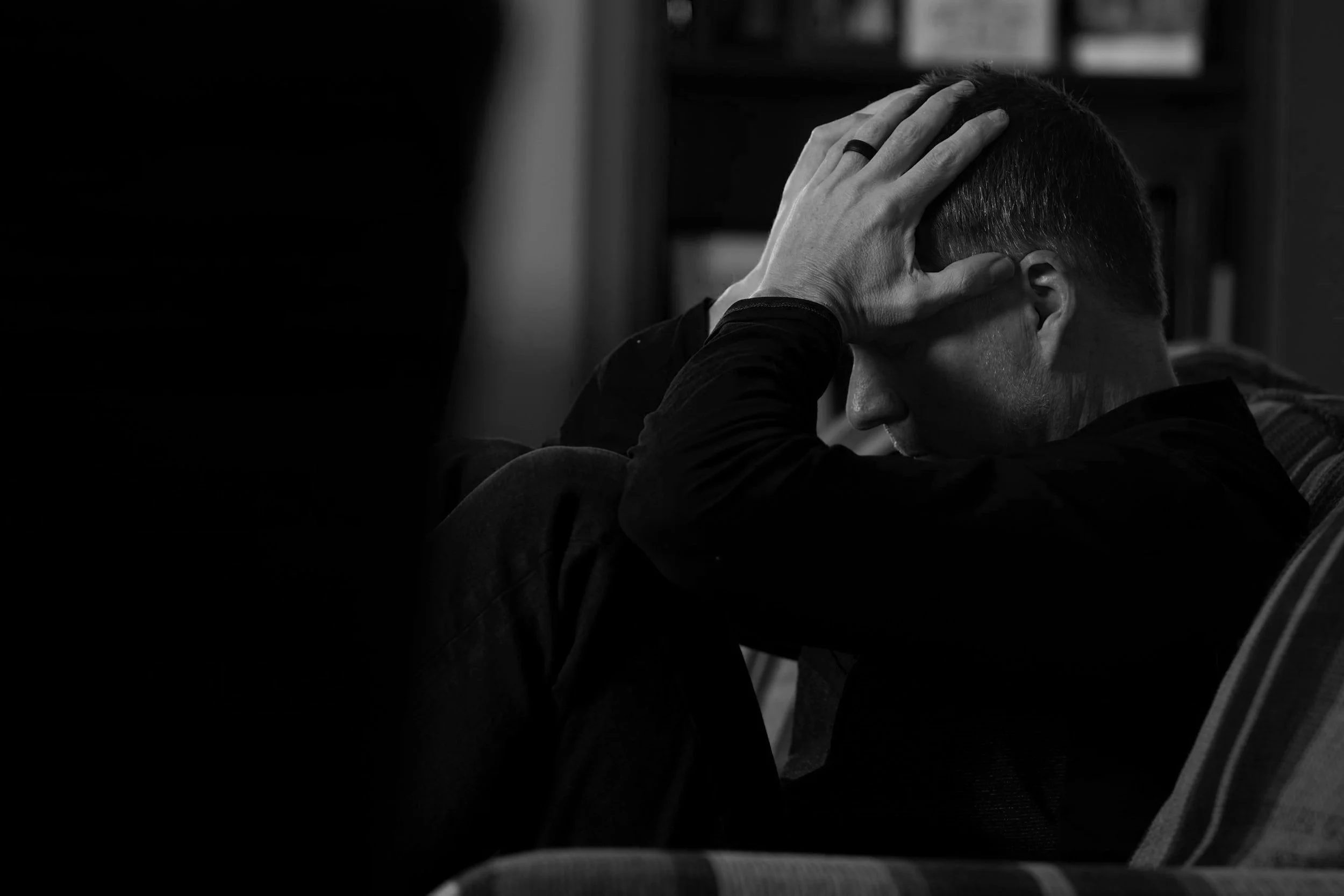
Guilty All The Time? Knowing the Difference Between Earned & Unearned Guilt
Crippled with a feeling of guilt over every little thing? Want to set a boundary but feel like you can’t? Let’s talk about unearned guilt. Read on!

Social Anxiety in Teens: What it is and How to Cope
Social anxiety is irrational and excessive fear and stress around social situations and social interactions. Teens are especially susceptible to experiencing social anxiety as they navigate the social pressures and developmental stages of adolescence. If you or your teenager are struggling with social anxiety, therapy at Repose can help.

General Terms That Therapists Use and What They Really Mean
Therapeutic spaces can have their own language. You might be familiar with some of these terms or they might be new to you. This blog details some some general terms or phrases that our therapists use in practice and what they mean.

Cultivating Self-Compassion: What Does Self-Love Really Mean?
Terms like “self-love” and “self-compassion” are thrown around a lot these days as important qualities to cultivate, but for many of us, they unfortunately feel out of reach. Whether we get stuck in negative thought cycles of criticism and comparison, or whether we simply have trouble finding our own sense of worth, our inability to love ourselves often feels like just one more weakness or failure. Read more.

Languishing: The Purgatory Between Mental Health and Mental Illness
Corey Keyes first conceptualized the term languishing as being the middle ground between mental health and mental illness. It is a state where one is neither in crisis nor thriving, neither depressed nor flourishing, or neither stuck nor making leaps of progress. Click here to learn more about Languishing and it’s occurrence particularly in the age of COVID.

Body Positivity and Social Media
Have you ever found yourself questioning your life? Do you compare yourself to pictures that you see others post? The number of likes and shares can feel like society’s judgment on how we present ourselves. What makes one person popular and another obscure? You might find yourself wondering how other people’s lives look so amazing when you feel stuck.

Anxiety Treatment at Repose Therapy Can Help!
At Repose, we believe in the efficacy of holistic wellness. What does that mean? It means that we take into account everything that makes you, you! That includes your mind, body, and spirit. We need to address the environment we come from and the emotions themselves. You are integrated into the world around you, meaning we cannot isolate these parts of you to work on creating a better you. Therefore, we want to help you understand these components and find a way to find calm in an already chaotic world. That means in therapy, it is important to not only understand what is happening but why it is happening. Psychoeducation is a huge part of understanding yourself better. Together we will learn about you to help you develop healthy coping skills and prevention for the future.